 Alastic
How to Check a QR Code Before You Pay
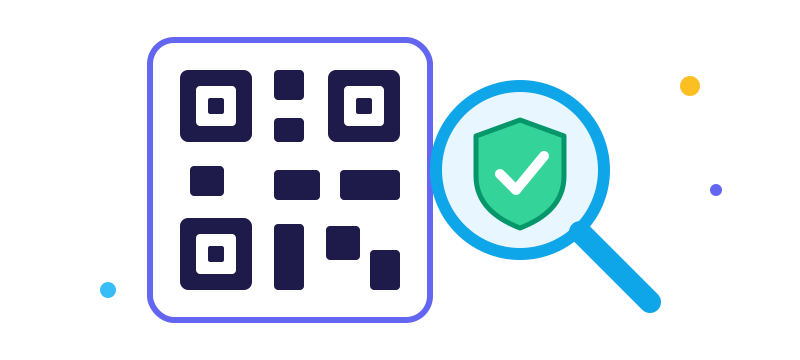
QR payments are fast: one code can be read by many banking and wallet apps. The same convenience is used by scammers. Fortunately, most scams can be avoided with a few small habits that take only seconds.
The most common tricks
- Fake QR stickers. The genuine code at a counter or shop is covered with someone else's QR sticker, so your money goes to the wrong account.
- QR codes or links from unknown messages. You get a QR image or payment link by chat, with a story about a prize, a bill, or "payment to a seller".
- Doctored dynamic codes. Someone sends a code with the amount already filled in and pressures you to pay quickly.
Five checks before paying
- Read the merchant name on the confirmation screen. After scanning, your payment app shows the recipient's name. Compare it with the business you are standing in. If it is very different, stop and ask the cashier.
- Inspect the code itself. Run a finger over the edges. A sticker placed over another code often feels raised or uneven. Be wary of a code that looks freshly stuck on somewhere that is normally clean.
- Check the amount. With a static code you type the amount yourself, so re-check it before confirming. With a dynamic code, make sure it matches the bill.
- Do not pay through a QR code or link from someone you do not know. Legitimate payments rarely start with an unexpected message. Do not be rushed.
- Keep the receipt and check the notification. Ask the seller to confirm the payment arrived. A "payment received" alert on their side is the clearest confirmation.
If you paid the wrong account
Contact your bank or the payment app's support straight away. Have the transaction receipt, the time, the amount and the recipient name ready. The sooner you report it, the better the chance of help. If you think a fake sticker is on display in a shop, tell the owner so the code can be replaced.
For business owners
- Put your QR code where it is supervised, and check regularly that nothing has been stuck over it.
- Use a stand or board that is hard to stick things onto.
- Check the payment notification before handing over goods.
- Tell customers which merchant name should appear on their screen.
No check guarantees complete safety. These habits reduce the risk, but your own attention is still the best protection.
More guides
How Often Should You Service Your Car or Motorbike?
Typical service intervals for engine oil, filters, brakes and tyres, why time matters as much as distance, and how to keep a simple service log.
Best Before vs Use By: How to Read Food Dates
What food date labels really mean, how long leftovers last, the right fridge and freezer temperatures, and simple habits that cut food waste.
How Often Should You Water Houseplants?
Why a fixed watering schedule fails, how to check whether a plant is thirsty, and the signs of too much or too little water.